
Economic Conflict: Willy vs Howard Wagner
Death of a SalesmanThe conflict between Willy's need for a secure job and Howard's cold business logic, representing the disposability of the aging worker in capitalism.
increasing Bearing strength in each event
 decreasing
Bearing strength in each eventdecreasingThe Request for a Desk Job
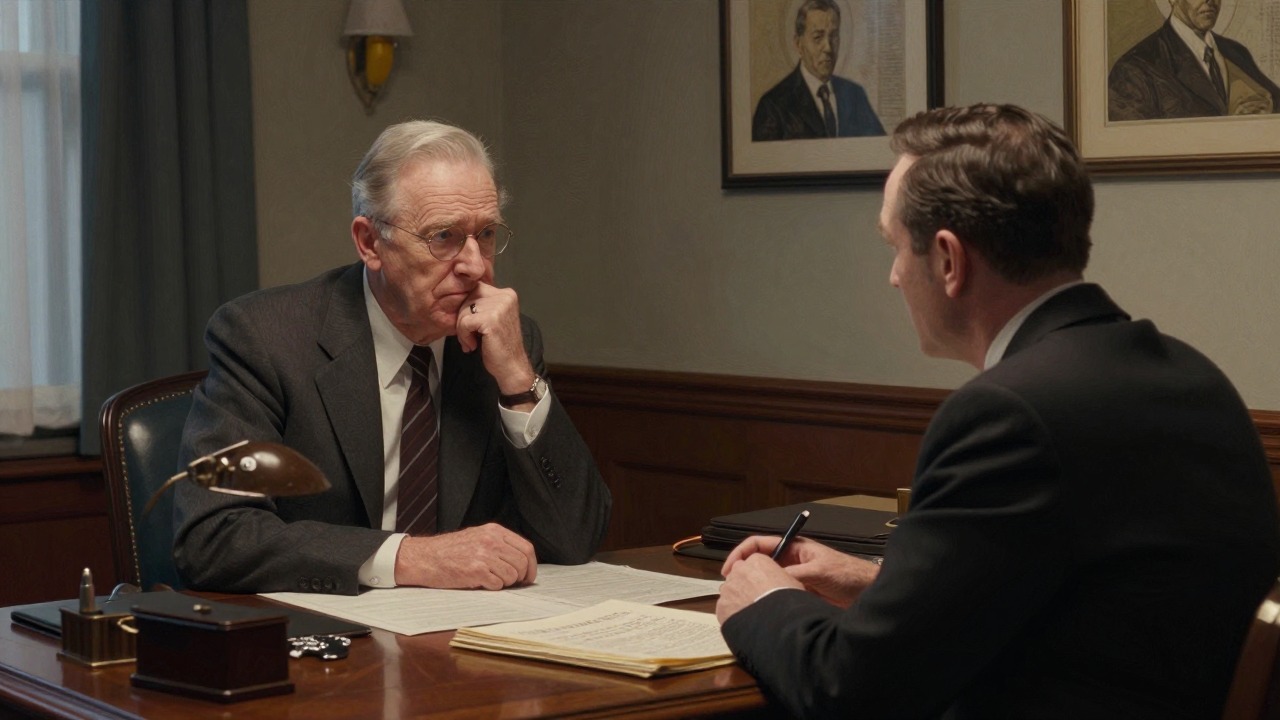
A Salesman's Plea
The Approach
Willy enters Howard's office, hoping to be transferred to a New York position. He is tired, sixty-three years old, and cannot travel anymore. He asks for a modest salary of sixty-five dollars a week.
Howard's Distraction
Howard is more interested in his new wire recorder than in Willy's plea. He plays recordings of his family, showing off the machine. The technology symbolizes the modern, impersonal business world.
The Imbalance
Willy appeals to loyalty and personal history, but Howard sees only business. There is no emotional connection. The conflict is between the old values of friendship and the new values of efficiency.
The Dismissal
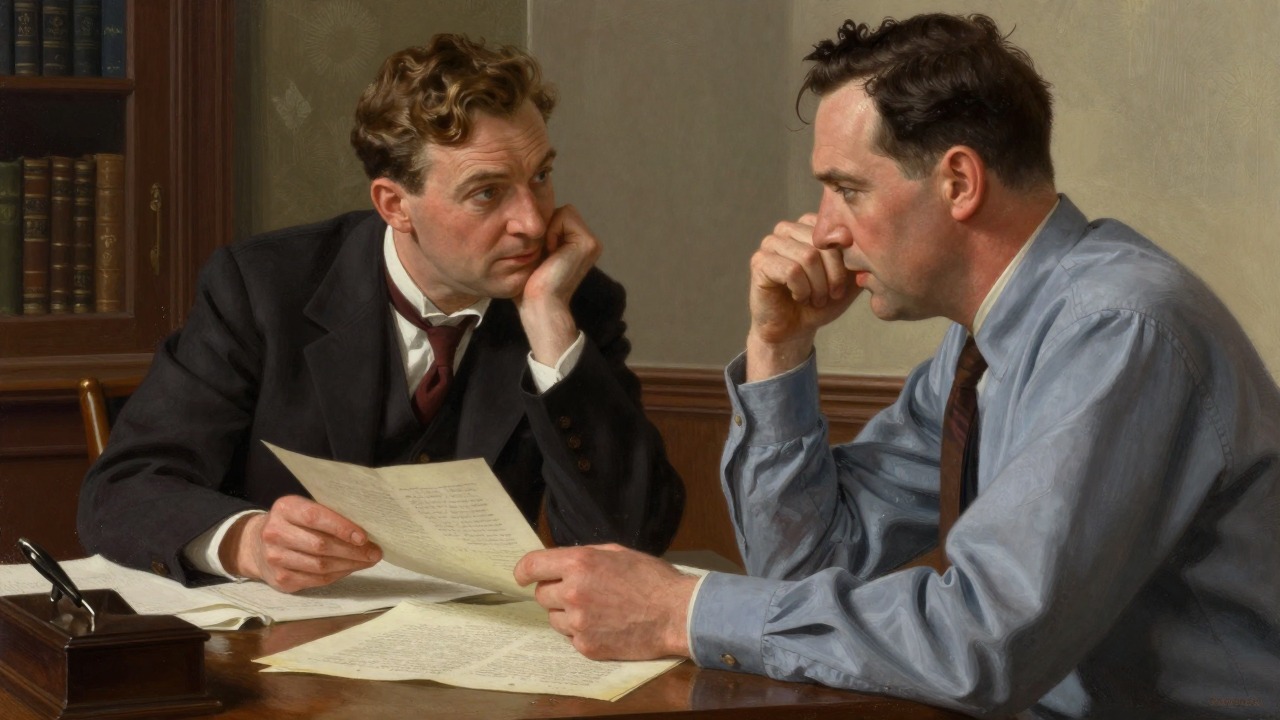
The Final Rejection
The Cold Decision
Howard tells Willy that he cannot represent the firm anymore. He suggests a rest, but the message is clear: Willy is fired. He is told to turn in his samples.
Willy's Desperation
Willy tries to argue, reminding Howard of his years of service and the promises made by his father. He tells the story of Dave Singleman, but it falls on deaf ears.
The Machine's Mockery
The wire recorder accidentally plays Howard's son's voice, a mechanical recitation of state capitals. The sound seems to mock Willy's emotional plea. He is defeated by a world that has no place for him.
Morning, present day
Later that morning
